

Cholesterol is a fatty substance found in the blood that is essential for various bodily functions, including the production of hormones, vitamin D, and bile acids that aid digestion. However, excessive cholesterol levels can lead to serious health problems, such as heart disease and stroke. A cholesterol test, also known as a lipid panel or lipid profile, is a diagnostic tool used to measure different types of cholesterol in the blood. Understanding the importance, procedure, and interpretation of cholesterol test results is crucial for maintaining heart health and preventing cardiovascular diseases.
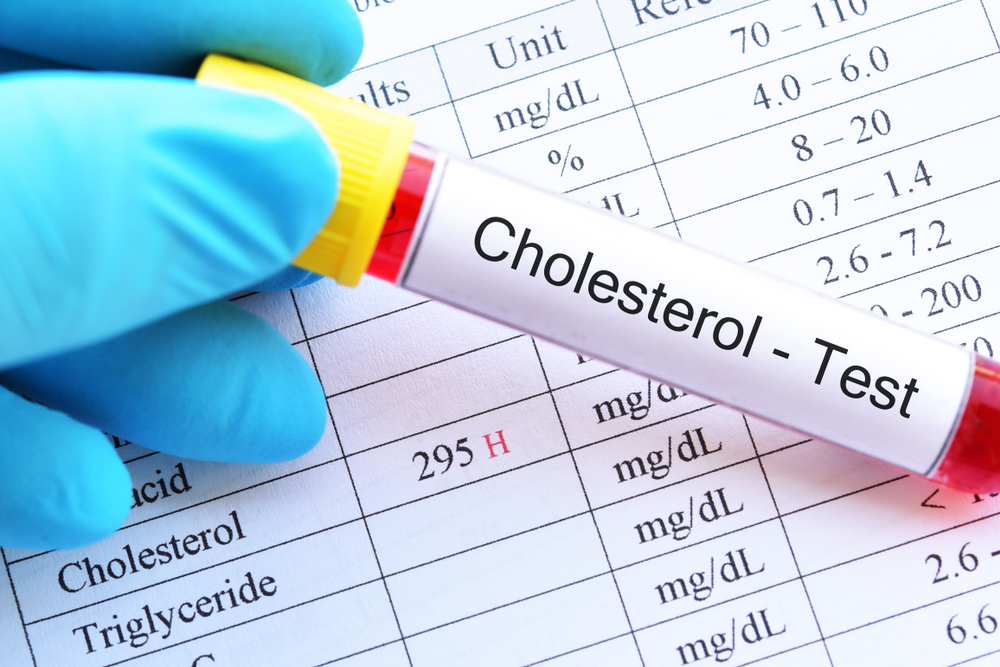
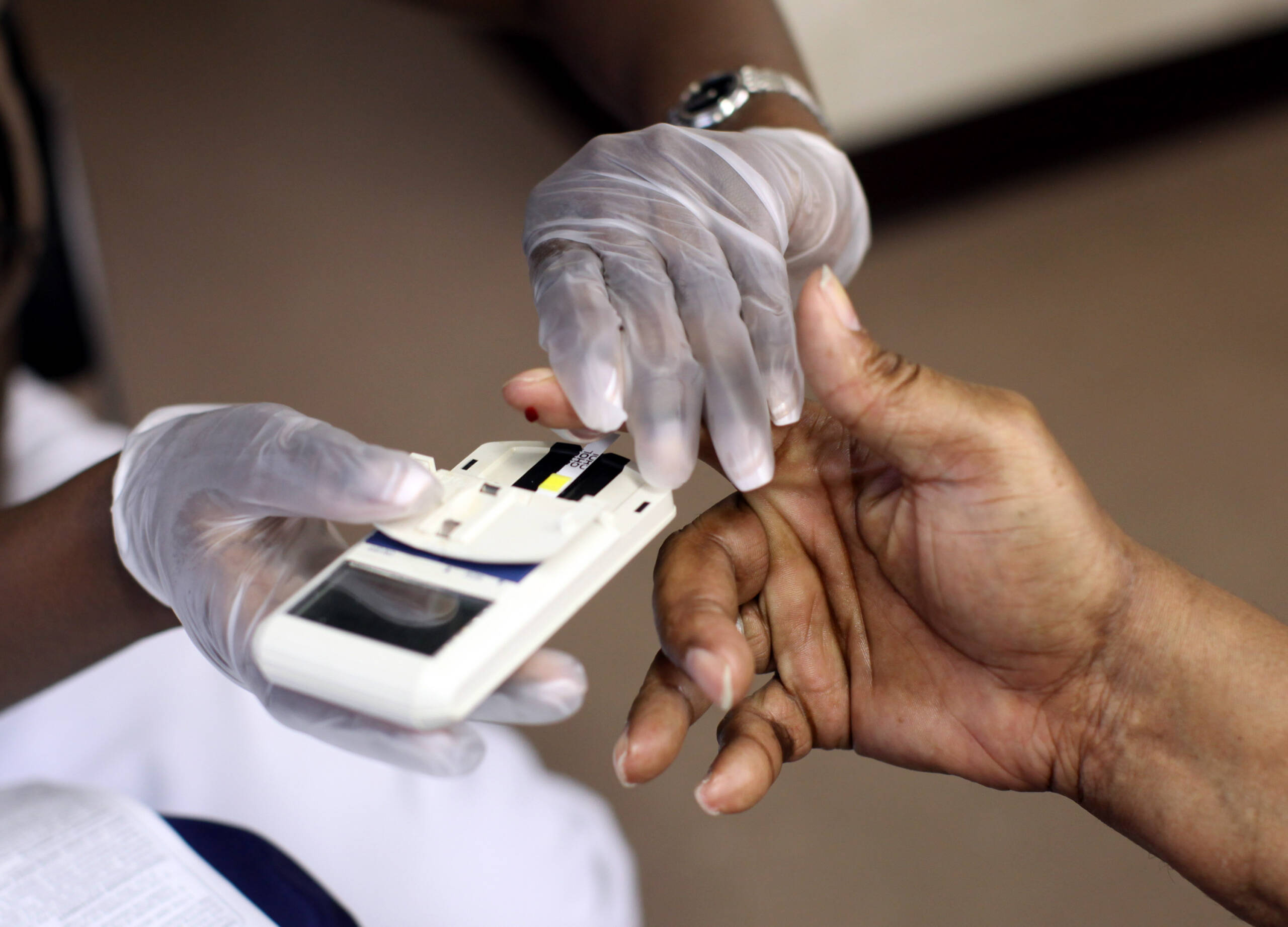
A cholesterol test provides a breakdown of different types of lipids in the blood, each playing a distinct role in cardiovascular health:
- Low-Density Lipoprotein (LDL) – “Bad” Cholesterol: High levels of LDL cholesterol contribute to plaque buildup in arteries, increasing the risk of atherosclerosis, heart attack, and stroke.
- High-Density Lipoprotein (HDL) – “Good” Cholesterol: HDL helps remove excess cholesterol from the bloodstream, transporting it to the liver for excretion. Higher HDL levels are associated with a lower risk of heart disease.
- Total Cholesterol: This value represents the overall cholesterol level in the blood, including LDL, HDL, and other lipid components.
- Triglycerides: These are fats stored in the body for energy. Elevated triglyceride levels are linked to obesity, diabetes, and heart disease.
- Very Low-Density Lipoprotein (VLDL): A type of cholesterol that contributes to the formation of LDL and is associated with plaque buildup in arteries.
Procedure for a Cholesterol Test
A cholesterol test is typically performed as part of a routine health check-up. The procedure involves the following steps:
- Preparation: Patients are often required to fast for 9 to 12 hours before the test to obtain accurate measurements of cholesterol and triglycerides.
- Blood Sample Collection: A healthcare professional draws a small blood sample from a vein in the arm.
- Laboratory Analysis: The blood sample is analyzed to determine the levels of LDL, HDL, total cholesterol, and triglycerides.
- Results and Interpretation: The results are compared against standard cholesterol level ranges to assess cardiovascular risk.
Interpretation of Cholesterol Test Results
Cholesterol levels are measured in milligrams per deciliter (mg/dL) of blood. Standard reference ranges include:
Triglycerides: Below 150 mg/dL is normal; 150-199 mg/dL is borderline high; 200-499 mg/dL is high; above 500 mg/dL is very high.
LDL Cholesterol: Below 100 mg/dL is optimal; 100-129 mg/dL is near optimal; 130-159 mg/dL is borderline high; above 160 mg/dL is considered high.
HDL Cholesterol: Below 40 mg/dL is low and increases heart disease risk; 40-59 mg/dL is moderate; 60 mg/dL or higher is protective.
Total Cholesterol: Below 200 mg/dL is desirable; 200-239 mg/dL is borderline high; above 240 mg/dL is high.
Importance of Cholesterol Testing in Disease Prevention
Regular cholesterol testing is essential for preventing cardiovascular diseases. High cholesterol often presents no symptoms, making routine testing crucial for early detection and management. Individuals with risk factors such as obesity, diabetes, smoking, high blood pressure, or a family history of heart disease should undergo regular cholesterol screening.
Lifestyle and Medical Interventions for Cholesterol Management
If cholesterol levels are abnormal, lifestyle changes and medications may be recommended:
- Dietary Changes: Reducing saturated fats, trans fats, and cholesterol-rich foods while increasing fiber intake can help lower LDL cholesterol.
- Exercise: Regular physical activity can boost HDL cholesterol and lower triglycerides.
- Weight Management: Maintaining a healthy weight helps regulate cholesterol levels.
- Medications: Statins, fibrates, and other cholesterol-lowering drugs may be prescribed for individuals at high cardiovascular risk.
- Smoking Cessation and Alcohol Moderation: Avoiding smoking and limiting alcohol intake can positively impact cholesterol levels.
A cholesterol test is a crucial diagnostic tool for assessing cardiovascular health and identifying individuals at risk for heart disease and stroke. By measuring LDL, HDL, total cholesterol, and triglycerides, healthcare professionals can recommend preventive measures to lower cholesterol levels and improve heart health. Regular testing, combined with lifestyle modifications and medical interventions, plays a significant role in reducing the risk of cardiovascular diseases and promoting overall well-being.