

The Complete Blood Count (CBC) is one of the most commonly performed blood tests in modern medicine. It provides essential information about the cells circulating in the bloodstream, including red blood cells (RBCs), white blood cells (WBCs), and platelets. Physicians use this test to diagnose, monitor, and manage various medical conditions, ranging from infections to chronic diseases. Understanding the importance, procedure, and clinical significance of a CBC test is crucial for both medical professionals and patients.
Components of a Complete Blood Count
A CBC test measures several key components of blood, each of which plays a distinct role in the body:
Platelets (PLTs) – Responsible for blood clotting and wound healing. A low platelet count (thrombocytopenia) can lead to excessive bleeding, while a high count (thrombocytosis) may increase the risk of clot formation.
Red Blood Cells (RBCs) – These cells transport oxygen from the lungs to tissues and remove carbon dioxide. A low RBC count can indicate anemia, while a high count may suggest dehydration or polycythemia.
Hemoglobin (Hgb) – A protein in RBCs that binds to oxygen. Low hemoglobin levels are a hallmark of anemia, whereas elevated levels can be associated with lung disease or high altitudes.
Hematocrit (Hct) – The proportion of blood volume occupied by RBCs. It helps assess anemia, dehydration, or excessive bleeding.
White Blood Cells (WBCs) – These cells are a crucial part of the immune system, defending the body against infections. An increased WBC count can indicate infection, inflammation, or leukemia, while a low count may result from bone marrow disorders or immune deficiencies.
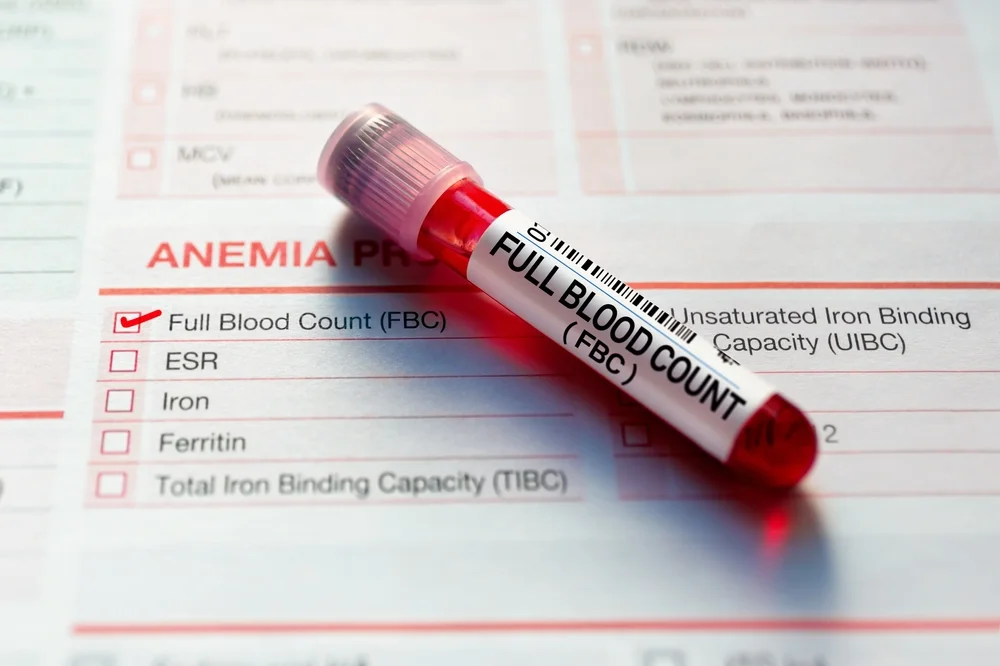

The CBC test is a simple and quick procedure that involves drawing blood from a vein, typically in the arm. A healthcare professional cleans the area, inserts a needle, and collects a small sample of blood into a tube. The sample is then analyzed by automated laboratory machines, which provide detailed counts of the different blood components. The results are typically available within a few hours to a day, depending on the healthcare facility.
Clinical Significance of a CBC Test
A CBC test is used for various diagnostic and monitoring purposes, including:
Assessing Blood Clotting Function – Platelet counts help identify bleeding disorders, clotting abnormalities, and the effects of certain medications, such as anticoagulants.
Diagnosing Infections – Elevated WBC counts suggest bacterial or viral infections, while specific patterns may help distinguish between different types of infections.
Detecting Anemia and Blood Disorders – Low RBC, hemoglobin, or hematocrit levels are indicative of anemia, which can result from nutritional deficiencies, chronic diseases, or bone marrow disorders.
Monitoring Chronic Conditions – Patients with diseases like leukemia, autoimmune disorders, or chronic kidney disease require regular CBC tests to track disease progression and treatment effectiveness.
Interpretation of Abnormal Results
Abnormal CBC results can indicate various health conditions, but they must be interpreted in the context of clinical symptoms and medical history. For example:
- Low WBC Count (Leukopenia) – May be caused by bone marrow suppression, viral infections, or autoimmune diseases.
- High WBC Count (Leukocytosis) – Suggests infections, inflammation, or certain cancers like leukemia.
- Low RBC Count (Anemia) – Can result from iron deficiency, chronic disease, or blood loss.
- High RBC Count (Polycythemia) – May be linked to dehydration, lung disease, or bone marrow disorders.
- Low Platelet Count (Thrombocytopenia) – Can be due to immune disorders, chemotherapy, or viral infections.
- High Platelet Count (Thrombocytosis) – May indicate chronic inflammatory conditions or bone marrow disorders.
The Complete Blood Count (CBC) is a fundamental diagnostic tool that provides crucial information about an individual’s overall health. By measuring RBCs, WBCs, hemoglobin, hematocrit, and platelets, it helps detect infections, anemia, blood disorders, and other medical conditions. While CBC results alone do not confirm a diagnosis, they serve as an essential component in medical evaluations, guiding further investigations and treatments. Regular CBC testing can aid in the early detection and management of various diseases, ultimately contributing to better patient care and health outcomes.