
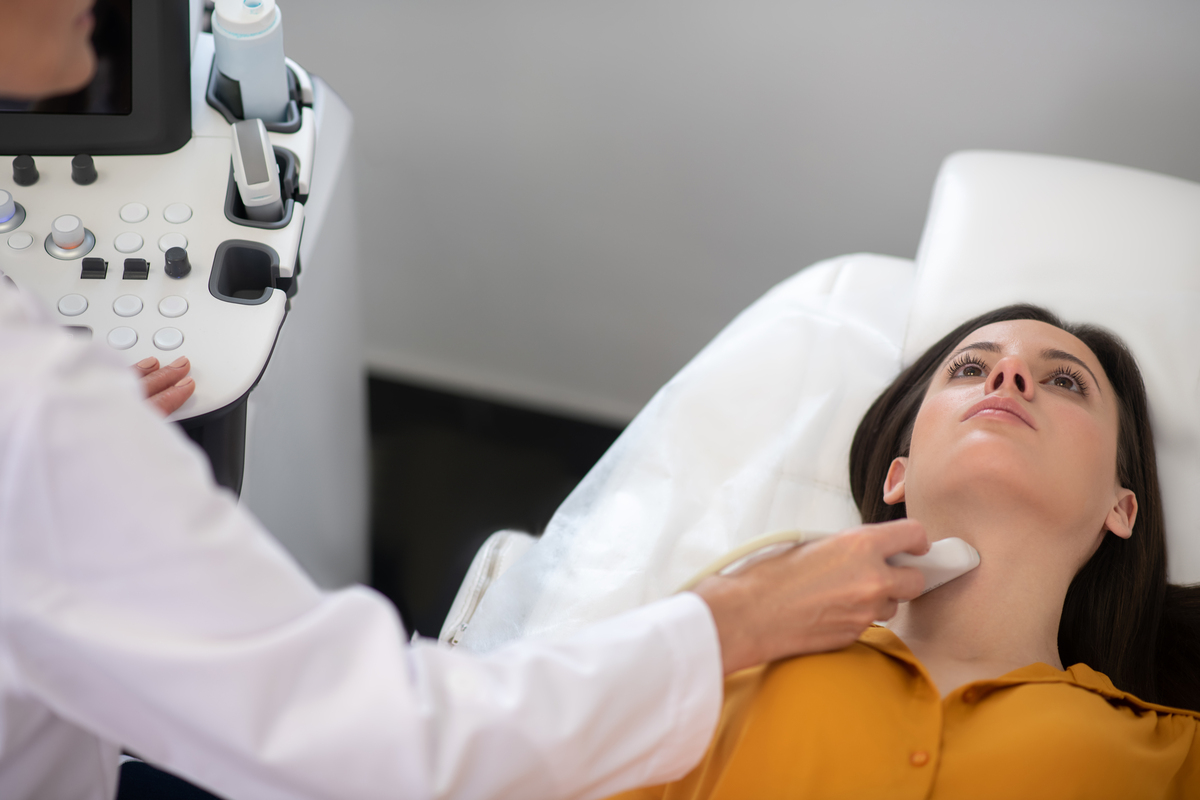
The thyroid is a small, butterfly-shaped gland located in the neck that plays a crucial role in regulating metabolism, energy production, and overall bodily functions. Thyroid function tests (TFTs) are a series of blood tests used to assess the health of the thyroid gland by measuring hormone levels. These tests are essential for diagnosing thyroid disorders such as hypothyroidism, hyperthyroidism, and other gland-related conditions. Understanding the importance, procedure, and interpretation of thyroid function tests is vital for early detection and management of thyroid diseases.
Types of Thyroid Function Tests
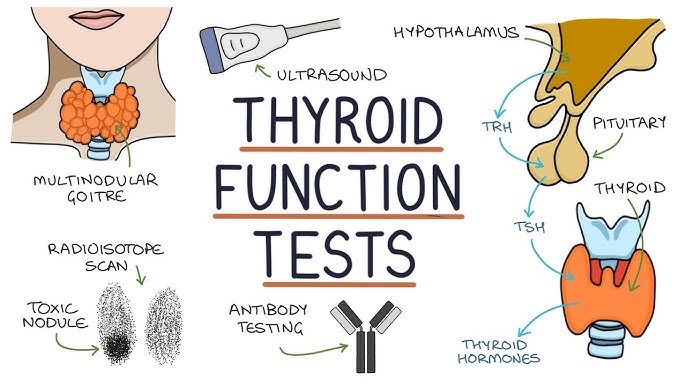
A thyroid function test includes several key measurements that provide a comprehensive evaluation of thyroid activity:
Reverse T3 (rT3) – Occasionally tested in cases of severe illness, rT3 is an inactive form of T3 that may increase in conditions like non-thyroidal illness syndrome.
Thyroid-Stimulating Hormone (TSH) – Produced by the pituitary gland, TSH regulates thyroid hormone production. Elevated TSH levels may indicate hypothyroidism, while low levels may suggest hyperthyroidism.
Thyroxine (T4) – The primary hormone produced by the thyroid, T4 exists in two forms: total T4 (bound to proteins) and free T4 (active form). Low free T4 levels suggest hypothyroidism, while high levels indicate hyperthyroidism.
Triiodothyronine (T3) – T3 is the more active thyroid hormone. Like T4, it can be measured as total T3 or free T3. Abnormally high levels may indicate hyperthyroidism.
Thyroid Antibodies – Tests such as anti-thyroid peroxidase (TPO) and thyroglobulin antibodies help diagnose autoimmune thyroid conditions like Hashimoto’s thyroiditis and Graves’ disease.
Procedure for a Thyroid Function Test
The process of conducting a thyroid function test is simple and involves the following steps:
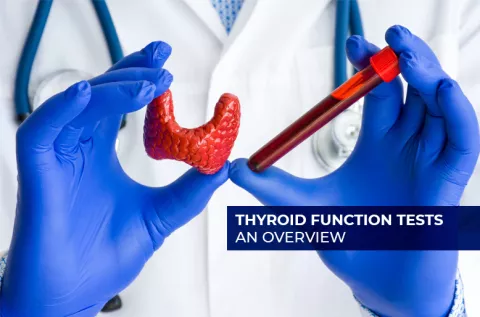
- Blood Sample Collection – A healthcare professional draws a small sample of blood, typically from a vein in the arm.
- Laboratory Analysis – The blood sample is analyzed to measure TSH, T4, T3, and other relevant thyroid markers.
- Results Interpretation – The results are compared with standard reference ranges to determine thyroid function status.
Interpretation of Thyroid Function Test Results
Thyroid function test results are assessed in relation to standard reference ranges:
- TSH Levels:
- Normal: 0.4 – 4.0 mIU/L
- High: Indicates hypothyroidism
- Low: Suggests hyperthyroidism
- Free T4 (FT4) Levels:
- Normal: 0.8 – 2.0 ng/dL
- Low: Suggests hypothyroidism
- High: Indicates hyperthyroidism
- Free T3 (FT3) Levels:
- Normal: 2.3 – 4.2 pg/mL
- Low: Suggests hypothyroidism
- High: Indicates hyperthyroidism
- Thyroid Antibodies:
- Presence of TPO or thyroglobulin antibodies indicates an autoimmune thyroid disorder.
Clinical Significance of Thyroid Function Tests
Thyroid function tests are crucial for diagnosing and managing various thyroid-related conditions:
Pregnancy and Thyroid Health – Thyroid dysfunction during pregnancy can lead to complications such as miscarriage, preterm birth, and developmental issues in the baby. Regular thyroid screening is recommended for pregnant women at risk.
Hypothyroidism – A condition in which the thyroid gland does not produce enough hormones, leading to symptoms such as fatigue, weight gain, depression, and dry skin.
Hyperthyroidism – Overproduction of thyroid hormones can cause symptoms like weight loss, rapid heartbeat, nervousness, and sweating.
Autoimmune Thyroid Diseases – Conditions such as Hashimoto’s thyroiditis (causing hypothyroidism) and Graves’ disease (causing hyperthyroidism) are diagnosed through thyroid antibody tests.
Thyroid Cancer – While TFTs are not primary diagnostic tools for thyroid cancer, abnormal thyroid hormone levels may prompt further investigations.
Treatment and Management of Thyroid Disorders
Management of thyroid disorders depends on the underlying condition diagnosed through thyroid function tests:
Hypothyroidism Treatment – Typically managed with daily thyroid hormone replacement therapy, such as levothyroxine.
Hyperthyroidism Treatment – May include antithyroid medications, radioactive iodine therapy, or thyroidectomy (surgical removal of the thyroid gland).
Lifestyle and Dietary Considerations – A well-balanced diet, stress management, and regular exercise can help support thyroid health.
Regular Monitoring – Patients with thyroid disorders require periodic testing to ensure proper hormone levels and adjust medication dosages accordingly.
Thyroid function tests are indispensable in diagnosing and managing thyroid disorders. By measuring TSH, T4, T3, and thyroid antibodies, these tests provide valuable insights into thyroid health and guide appropriate treatment. Given the impact of thyroid dysfunction on metabolism, energy levels, and overall well-being, routine thyroid screening is essential for individuals at risk. Early detection and effective management of thyroid disorders contribute to better health outcomes and improved quality of life.anctus est Lorem ipsum dolor sit amet. Lorem ipsum dolor sit amet, consetetur sadipscing elitr.