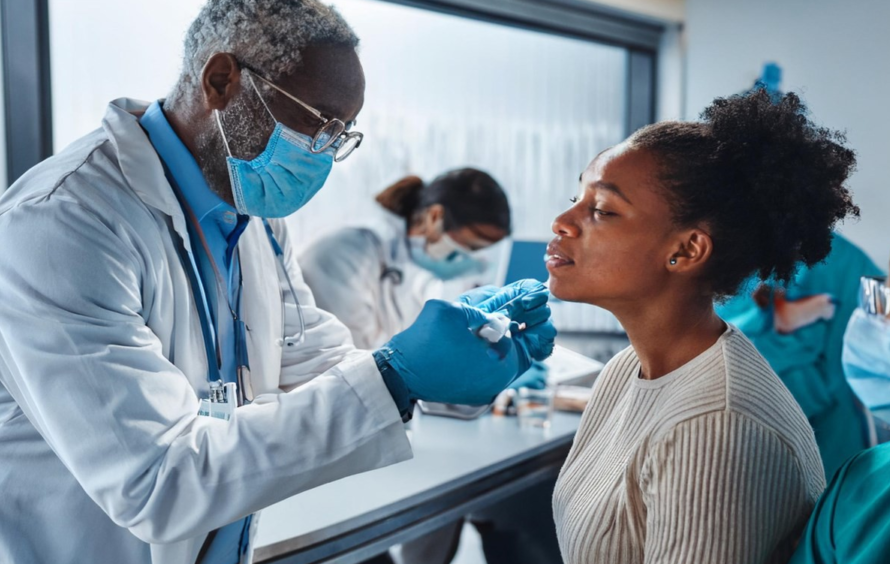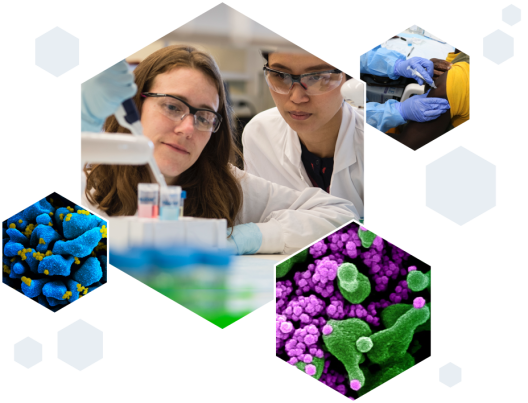

The COVID-19 pandemic has significantly transformed medical testing practices worldwide. The urgent need for rapid, accurate, and accessible testing has led to remarkable advancements in diagnostic technologies, laboratory procedures, and public health strategies. This explores how COVID-19 has influenced medical testing, the innovations it has spurred, and the long-term implications for healthcare.
Expansion of Diagnostic Testing
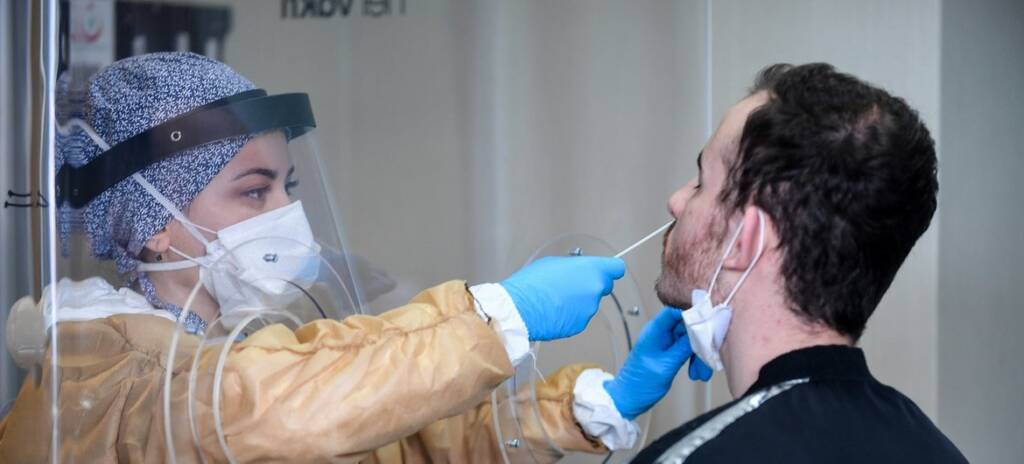
The pandemic necessitated the widespread development and deployment of COVID-19 tests. The most commonly used testing methods include:
Saliva-Based and At-Home Tests: Innovations in sample collection have improved accessibility and reduced strain on healthcare facilities.
Polymerase Chain Reaction (PCR) Testing: Considered the gold standard for detecting SARS-CoV-2, PCR tests provide high accuracy by identifying viral genetic material.
Rapid Antigen Tests: These tests offer quick results and have been crucial for mass screening and at-home diagnostics.
Antibody Testing: Used to determine past infections and immune response, playing a role in epidemiological studies.

Acceleration of Technological Advancements
COVID-19 spurred significant advancements in diagnostic technology, including:
- mRNA-Based Testing: Research into mRNA technology for vaccines has also contributed to more sophisticated molecular diagnostics.
- AI and Machine Learning Integration: Artificial intelligence has been used to enhance test result analysis, optimize testing site efficiency, and predict outbreak trends.
- Point-of-Care and Mobile Testing Units: The need for rapid testing in diverse locations has led to the expansion of mobile testing labs and decentralized diagnostics.
- Pooled Testing Strategies: To manage resource constraints, pooled testing allowed laboratories to test multiple samples together, reducing costs and increasing efficiency.
Impact on Laboratory and Healthcare Infrastructure
The demand for large-scale testing led to notable changes in laboratory and healthcare operations:
Workforce Training and Adaptation: Medical personnel received specialized training to conduct and interpret COVID-19 tests effectively.
Increased Automation in Laboratories: Robotics and automated analyzers improved testing speed and reduced human error.
Strengthening of Global Surveillance Networks: Enhanced data-sharing and cooperation between countries helped track variants and outbreaks.
Challenges and Ethical Considerations
Despite advancements, COVID-19 testing faced several challenges:
- Supply Chain Disruptions: Shortages of reagents, swabs, and test kits created bottlenecks in testing availability.
- Accuracy and Reliability Issues: Variability in test sensitivity and specificity led to concerns about false positives and negatives.
- Ethical and Privacy Concerns: Mass testing programs raised questions about data privacy, consent, and equitable access to testing resources.
Long-Term Implications
The innovations and adaptations prompted by COVID-19 have long-term consequences for medical testing:
- Integration of Rapid Testing into Routine Healthcare: The success of rapid diagnostics may lead to expanded use for other infectious diseases.
- Advancements in Home-Based and Digital Health Technologies: The demand for accessible testing has accelerated the development of remote diagnostic tools.
- Improved Pandemic Preparedness: Governments and health organizations have strengthened their response frameworks for future outbreaks.
- Greater Emphasis on Preventive Screening: Increased public awareness of testing may lead to more routine screenings for various diseases beyond COVID-19.

The COVID-19 pandemic has reshaped medical testing practices in unprecedented ways, driving technological advancements, increasing accessibility, and transforming healthcare infrastructure. These changes will likely have lasting effects, making medical diagnostics more efficient, responsive, and prepared for future public health challenges.