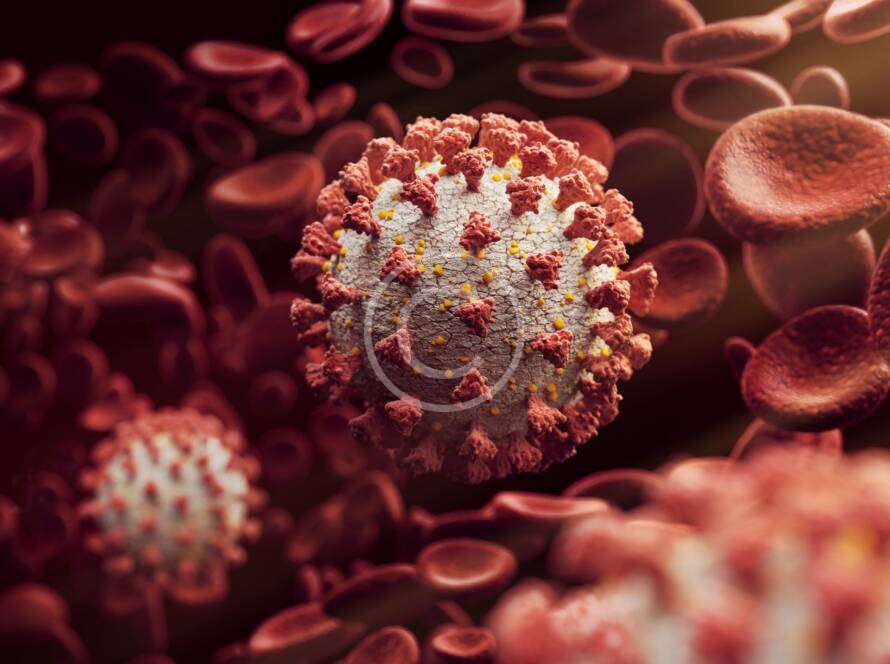

Infectious diseases remain a significant global health challenge, affecting millions of people each year. Medical research centers worldwide, such as the National Institutes of Health (NIH), the Centers for Disease Control and Prevention (CDC), and the World Health Organization (WHO), are at the forefront of combating these diseases. Through innovative research, vaccine development, epidemiological studies, and advanced treatment methodologies, these institutions are making crucial strides in preventing and treating infectious diseases.
Vaccine Development
One of the most effective strategies for combating infectious diseases is vaccine development. Institutions like the NIH and pharmaceutical companies have played a critical role in developing vaccines for diseases such as COVID-19, influenza, and tuberculosis. The rapid development of mRNA vaccines during the COVID-19 pandemic demonstrated the potential of new biotechnological approaches in fighting emerging pathogens. Research centers continue to work on next-generation vaccines, including universal flu vaccines and malaria vaccines, to improve immunity against evolving strains.

Antimicrobial Resistance Research
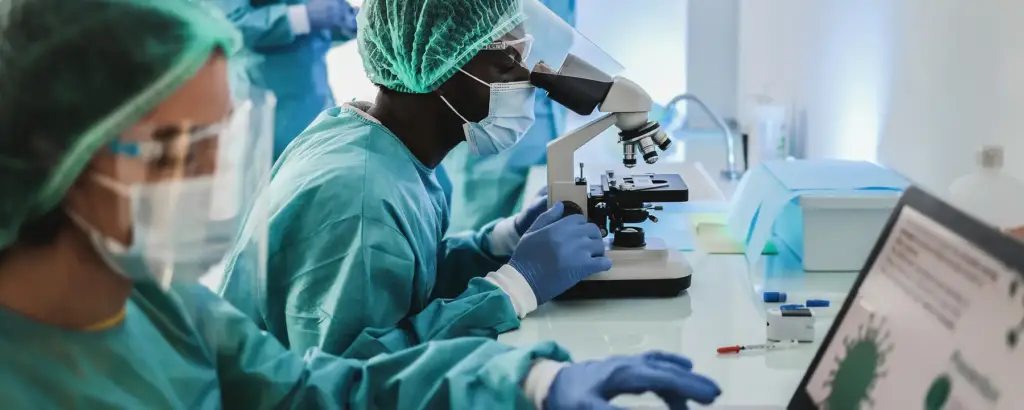
Antimicrobial resistance (AMR) poses a growing threat to public health. Organizations like the CDC and the European Centre for Disease Prevention and Control (ECDC) are conducting extensive research to understand the mechanisms behind antibiotic resistance. Efforts include developing novel antibiotics, enhancing rapid diagnostic tests to detect resistant strains, and promoting responsible antibiotic use in healthcare and agriculture. Research on phage therapy, an alternative to antibiotics, is also gaining traction as a potential solution to drug-resistant infections.
Epidemiological Surveillance
Surveillance systems are crucial for detecting and responding to outbreaks. The WHO, CDC, and other global research networks have established comprehensive epidemiological surveillance programs that track disease patterns and predict potential outbreaks. Advances in artificial intelligence and big data analytics have enabled real-time monitoring of infectious diseases, allowing for more effective containment strategies. For example, AI-powered predictive models have been used to forecast the spread of COVID-19 and other respiratory illnesses.
Emerging Infectious Disease Research
Research centers are continuously studying new and emerging infectious diseases to prevent future pandemics.
Institutions such as the Pasteur Institute and the Wellcome Trust are investigating zoonotic diseases—those that jump from animals to humans. Research on coronaviruses, Ebola, and Zika viruses has led to the development of targeted treatments and improved response strategies. Additionally, scientists are working on global initiatives to enhance biosafety and prevent laboratory-related outbreaks.
Public Health Interventions
Beyond medical treatments, research centers collaborate with governments and international organizations to implement public health interventions. Programs focusing on sanitation, hygiene, and vector control have significantly reduced the incidence of diseases such as cholera and malaria. Educational campaigns and vaccination programs have proven effective in controlling outbreaks and reducing mortality rates. Investments in healthcare infrastructure and access to essential medicines continue to be a priority for global health organizations.

Medical research centers play an essential role in tackling infectious diseases through vaccine development, antimicrobial resistance research, epidemiological surveillance, emerging disease studies, and public health interventions. As global health threats continue to evolve, the collaborative efforts of scientists, healthcare professionals, and policymakers remain crucial in preventing and mitigating the impact of infectious diseases. With ongoing advancements in medical science and technology, the future holds promising solutions for the control and eradication of these diseases.