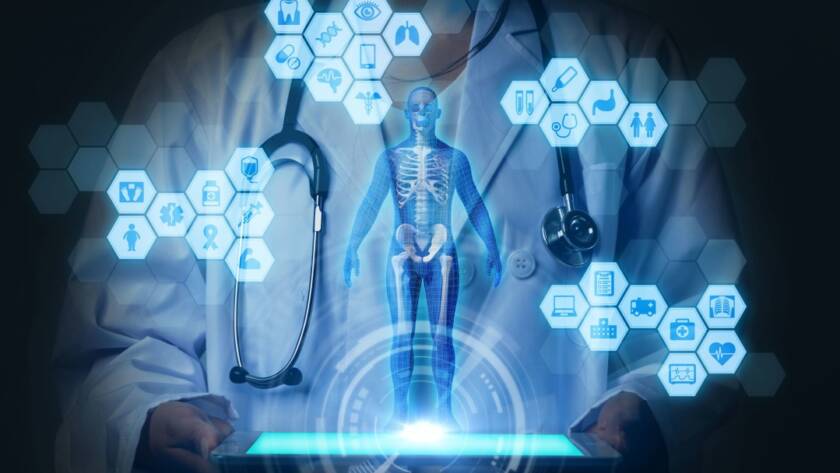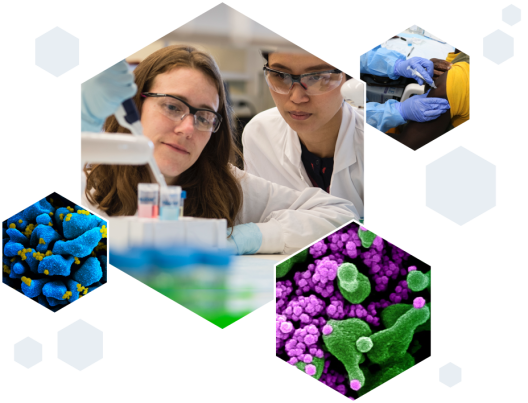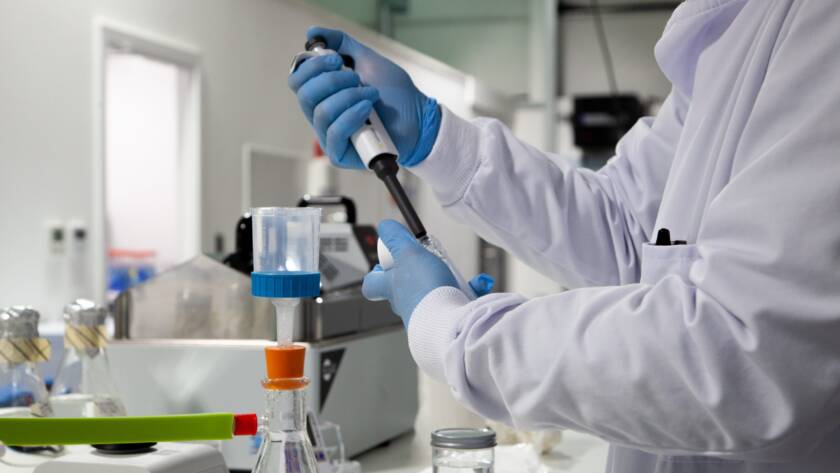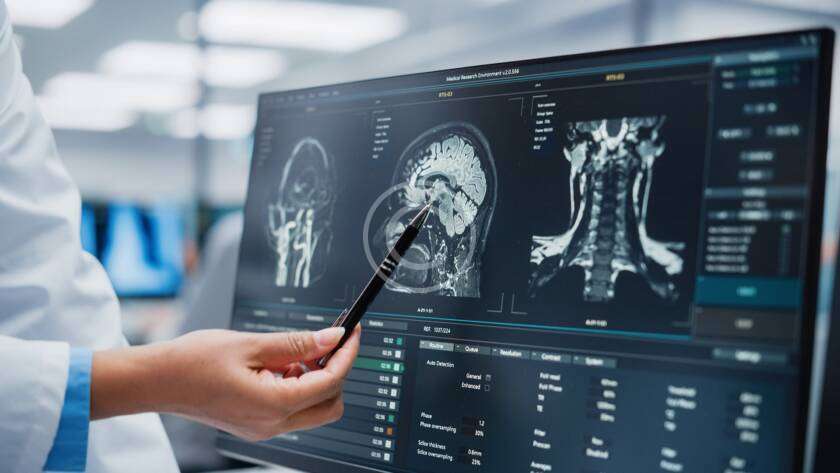
Medical research centers play a crucial role in advancing public health by conducting scientific studies that lead to medical breakthroughs, improving disease prevention strategies, and shaping healthcare policies. These centers focus on understanding the causes of diseases, developing new treatments, and enhancing the overall well-being of populations. Their contributions extend beyond laboratory discoveries, impacting healthcare…

Medical research centers worldwide have played a crucial role in advancing healthcare and improving patient outcomes. Institutions such as the Mayo Clinic, Johns Hopkins Medicine, the National Institutes of Health (NIH), and the Massachusetts General Hospital have led groundbreaking studies that have transformed the medical field. These breakthroughs span various areas, including cancer treatment, gene…
Infectious diseases remain a significant global health challenge, affecting millions of people each year. Medical research centers worldwide, such as the National Institutes of Health (NIH), the Centers for Disease Control and Prevention (CDC), and the World Health Organization (WHO), are at the forefront of combating these diseases. Through innovative research, vaccine development, epidemiological studies,…
Medical testing plays a crucial role in diagnosing, monitoring, and treating diseases. Various types of tests help physicians understand the body’s condition and detect potential health issues early. This explores common types of medical testing and what they reveal about a patient's health.
Blood Tests
Blood tests are among the most commonly used diagnostic tools.…
Early detection through medical testing is a crucial component of modern healthcare. It allows for the identification of diseases at their initial stages, increasing the chances of successful treatment and improving overall patient outcomes. Regular screenings and diagnostic tests play a pivotal role in preventing complications and reducing mortality rates associated with various medical conditions.…
Medical testing has undergone significant advancements with the integration of cutting-edge technologies. These innovations have enhanced the accuracy, efficiency, and accessibility of diagnostic procedures, improving patient outcomes. As artificial intelligence, automation, and biotechnology continue to evolve, medical testing is becoming more precise and personalized. This explores how technology is revolutionizing medical testing and its implications…
The COVID-19 pandemic has significantly transformed medical testing practices worldwide. The urgent need for rapid, accurate, and accessible testing has led to remarkable advancements in diagnostic technologies, laboratory procedures, and public health strategies. This explores how COVID-19 has influenced medical testing, the innovations it has spurred, and the long-term implications for healthcare.
Expansion of Diagnostic…
Chronic diseases, such as diabetes, cardiovascular diseases, cancer, and chronic respiratory diseases, require ongoing monitoring and management to prevent complications and improve patient outcomes. Medical testing plays a crucial role in the early detection, diagnosis, and treatment of chronic conditions, enabling healthcare providers to make informed decisions. This explores the significance of medical testing in…
Preventive healthcare focuses on early detection and prevention of diseases before they progress into serious health conditions. Medical testing plays a pivotal role in identifying risk factors, diagnosing diseases at an early stage, and guiding lifestyle and treatment modifications. This explores the significance of medical testing in preventive healthcare and its impact on overall well-being.…