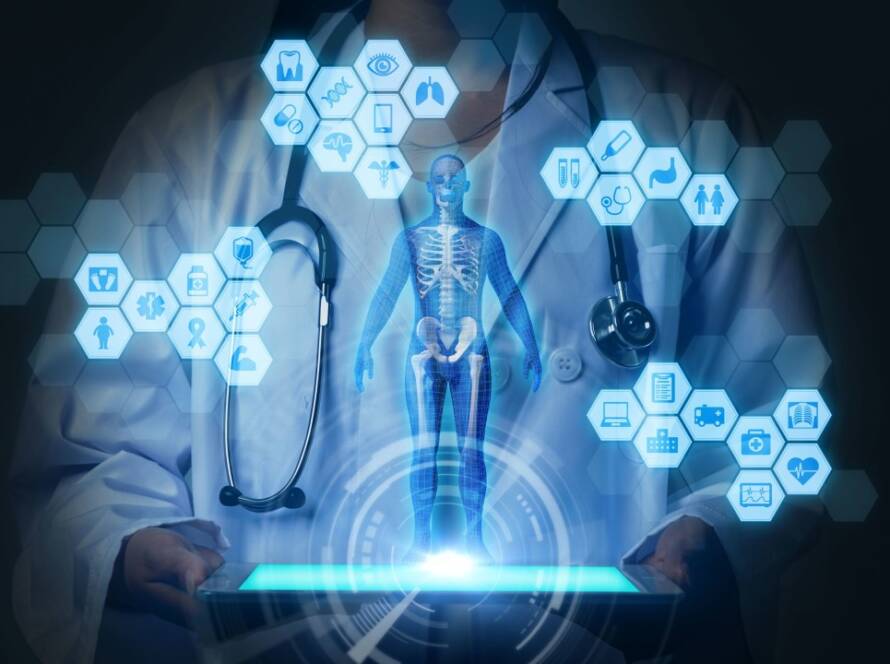

Medical testing has undergone significant advancements with the integration of cutting-edge technologies. These innovations have enhanced the accuracy, efficiency, and accessibility of diagnostic procedures, improving patient outcomes. As artificial intelligence, automation, and biotechnology continue to evolve, medical testing is becoming more precise and personalized. This explores how technology is revolutionizing medical testing and its implications for healthcare.
Advancements in Medical Testing Technology
Several technological breakthroughs are transforming medical diagnostics, including:
Nanotechnology in Diagnostics: Nanoscale devices can detect diseases at a molecular level, improving early diagnosis of conditions such as cancer and infections before symptoms manifest.
Artificial Intelligence and Machine Learning: AI-powered algorithms analyze medical data more efficiently, enabling early detection of diseases like cancer, diabetes, and cardiovascular conditions. Machine learning improves pattern recognition in medical imaging and pathology tests, reducing diagnostic errors.
Wearable Health Devices: Smartwatches and fitness trackers now incorporate advanced biosensors to monitor vital signs, such as heart rate, oxygen levels, and glucose levels, allowing for continuous health monitoring and early warning of potential health issues.
Point-of-Care Testing (POCT): Rapid diagnostic tests, such as portable blood analyzers and at-home COVID-19 tests, allow immediate results outside traditional lab settings, enhancing convenience and timely intervention.
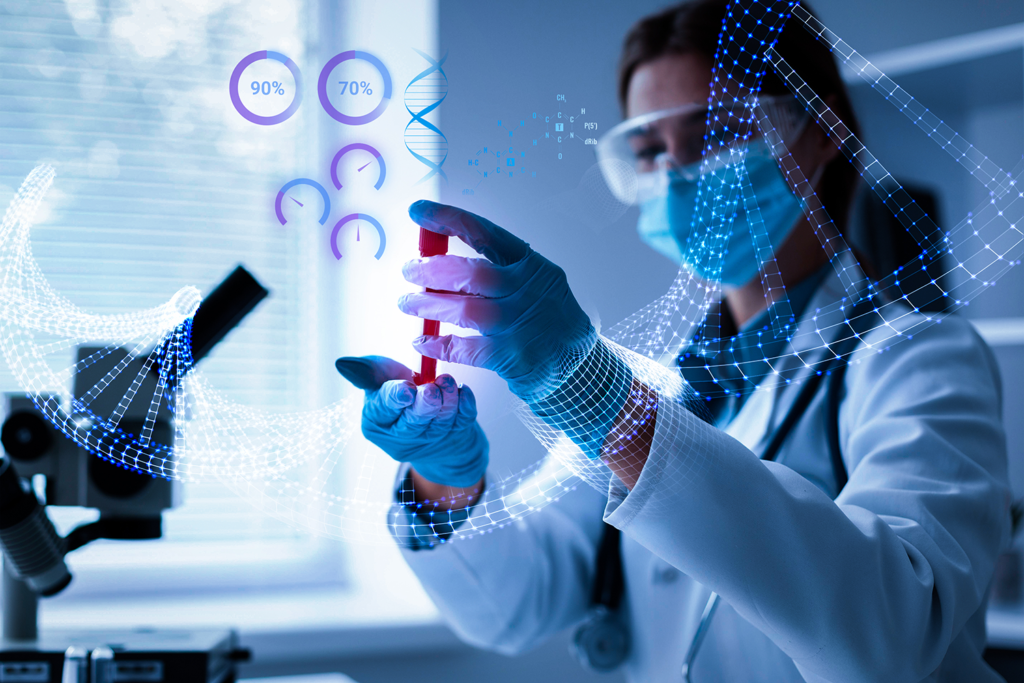
CRISPR and Genetic Testing: Gene-editing technology has revolutionized genetic testing by enabling early identification of hereditary diseases, paving the way for personalized medicine and targeted treatments.
Impact on Healthcare
The evolution of medical testing technology offers numerous benefits to healthcare, including
Faster and More Accurate Diagnoses: Advanced imaging techniques and AI-driven diagnostics reduce errors and provide faster results, allowing for early intervention and better patient care.
Personalized Medicine: Genetic testing and biomarker analysis enable tailored treatments, improving therapeutic effectiveness and minimizing side effects.
Greater Accessibility: Telemedicine and remote testing capabilities ensure that people in remote or underserved areas receive timely diagnoses and medical care.
Reduced Healthcare Costs: Early detection and minimally invasive diagnostic techniques lower long-term healthcare expenses by preventing severe complications.

Challenges and Considerations
Despite its benefits, the evolution of medical testing faces challenges, such as:
- Data Privacy and Security: With increasing reliance on digital tools, ensuring patient data confidentiality remains a priority.
- Regulatory Approvals: New diagnostic technologies require extensive testing and regulatory approval before widespread adoption.
- Cost Barriers: Advanced technologies may initially be expensive, limiting accessibility for lower-income populations.
- Training and Adaptation: Healthcare professionals must adapt to new tools and technologies, requiring continuous education and training.
Medical testing is rapidly evolving through technological innovations that enhance efficiency, accuracy, and accessibility. From AI-driven diagnostics to wearable health devices, these advancements are transforming healthcare and improving patient outcomes. As technology continues to advance, overcoming challenges related to cost, regulation, and data security will be crucial in fully realizing the potential of modern medical testing.