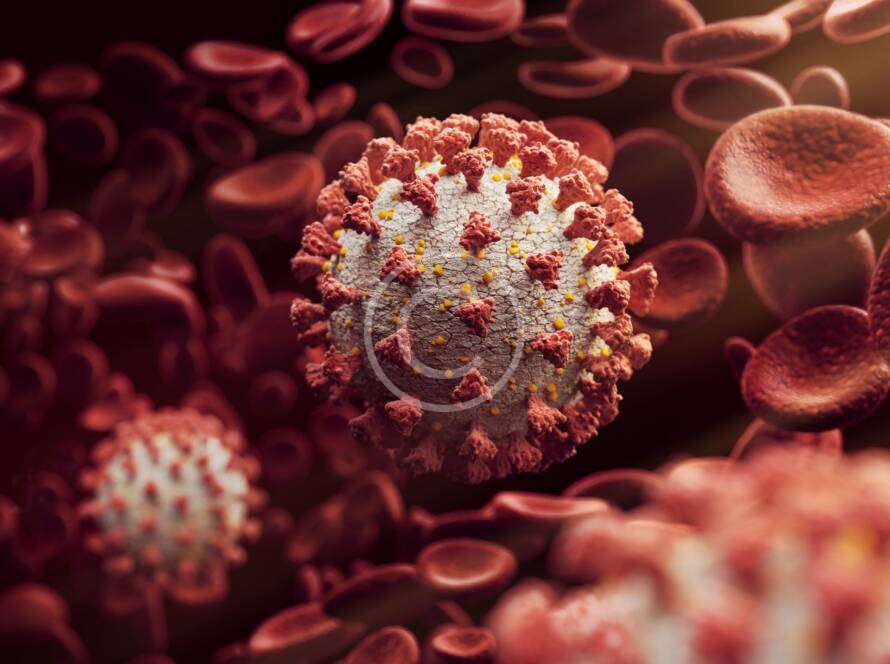

Medical research centers worldwide have played a crucial role in advancing healthcare and improving patient outcomes. Institutions such as the Mayo Clinic, Johns Hopkins Medicine, the National Institutes of Health (NIH), and the Massachusetts General Hospital have led groundbreaking studies that have transformed the medical field. These breakthroughs span various areas, including cancer treatment, gene therapy, vaccine development, and regenerative medicine. This highlights some of the most recent and impactful discoveries from leading medical research centers.
Immunotherapy in Cancer Treatment
One of the most significant breakthroughs in recent years has been the advancement of immunotherapy for cancer treatment. Researchers at the Memorial Sloan Kettering Cancer Center and MD Anderson Cancer Center have developed therapies that harness the body’s immune system to fight cancer. One such development is chimeric antigen receptor (CAR) T-cell therapy, which has been highly effective in treating leukemia and lymphoma. The therapy involves genetically modifying a patient’s T cells to recognize and attack cancer cells. This innovation has led to remarkable remission rates and has paved the way for further applications in other types of cancer.

CRISPR and Gene Editing
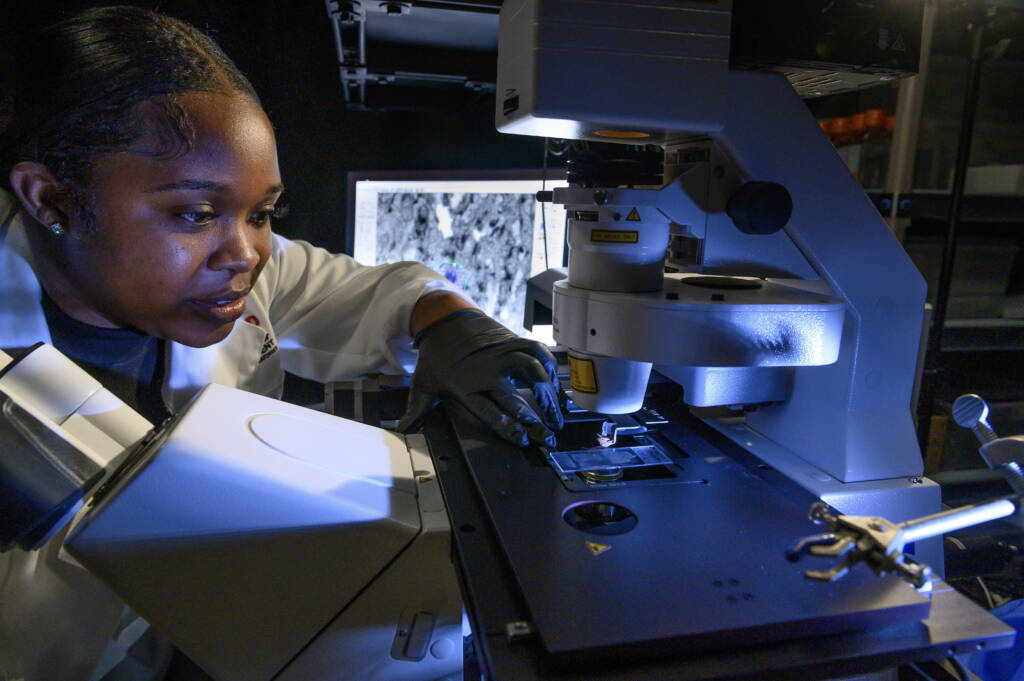
The development of CRISPR-Cas9 gene editing has revolutionized genetic medicine. Researchers at the Broad Institute of MIT and Harvard, along with scientists from the University of California, Berkeley, have refined this technology to edit DNA with unprecedented precision. Recent clinical trials have shown promising results in treating genetic disorders such as sickle cell disease and beta-thalassemia. In 2023, researchers successfully used CRISPR to correct the genetic mutation responsible for Duchenne muscular dystrophy, marking a milestone in gene therapy.
mRNA Vaccine Innovations
The rapid development of mRNA vaccines for COVID-19 by Pfizer-BioNTech and Moderna showcased the potential of this technology for future medical applications. Research institutions like the NIH and the University of Pennsylvania played a vital role in developing mRNA-based vaccines, which have proven highly effective in preventing infectious diseases. Beyond COVID-19, scientists are exploring mRNA vaccines for other illnesses, including influenza, HIV, and even certain cancers. The adaptability of mRNA technology holds promise for rapidly developing vaccines for emerging pathogens.
Advances in Regenerative Medicine
Regenerative medicine has witnessed remarkable progress in recent years.
The Wake Forest Institute for Regenerative Medicine has pioneered 3D bioprinting of human tissues and organs, offering hope for organ transplantation. In 2022, researchers successfully implanted a 3D-printed ear constructed from a patient’s own cells, demonstrating the potential for personalized regenerative therapies. Additionally, stem cell research at Stanford University has led to groundbreaking treatments for spinal cord injuries, with clinical trials showing that transplanted stem cells can help restore motor function in paralyzed patients.
Artificial Intelligence in Healthcare
The integration of artificial intelligence (AI) in medical diagnostics is another transformative development. Researchers at Johns Hopkins Medicine and Mayo Clinic have developed AI-driven tools that enhance early detection of diseases such as Alzheimer’s, diabetes, and certain cancers. AI-powered imaging techniques have improved accuracy in diagnosing breast cancer and lung diseases, reducing human error and improving patient outcomes. Moreover, AI-driven drug discovery is expediting the identification of new therapeutic compounds, significantly reducing the time required to bring new drugs to market.

Leading medical research centers continue to drive innovation in healthcare, making significant contributions to the treatment and prevention of diseases. Breakthroughs in immunotherapy, gene editing, mRNA vaccine development, regenerative medicine, and artificial intelligence are revolutionizing the medical landscape. As research institutions continue to push the boundaries of medical science, these advancements promise to enhance patient care, extend human lifespan, and ultimately transform the future of medicine.