

Medical testing plays a crucial role in diagnosing, monitoring, and treating diseases. Various types of tests help physicians understand the body’s condition and detect potential health issues early. This explores common types of medical testing and what they reveal about a patient’s health.
Blood Tests
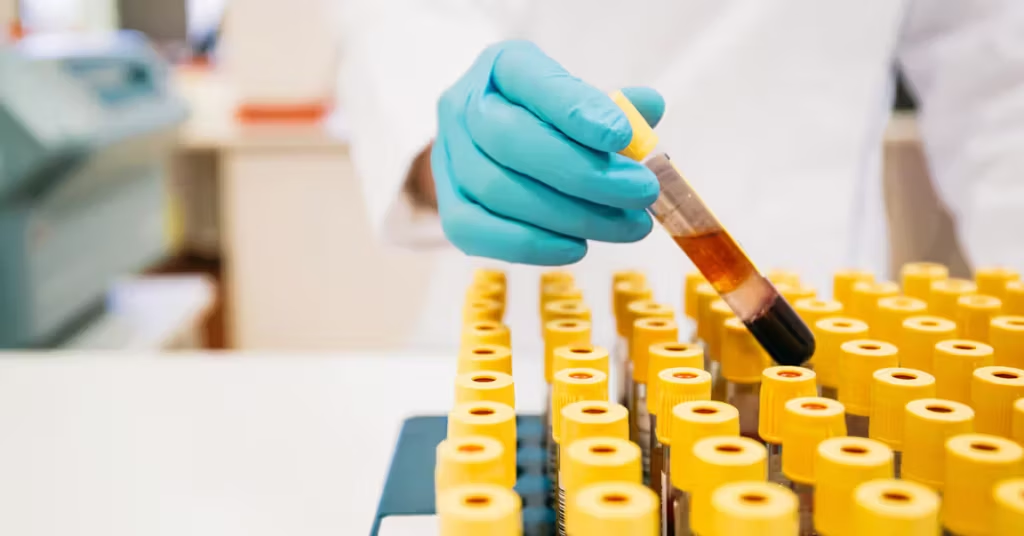
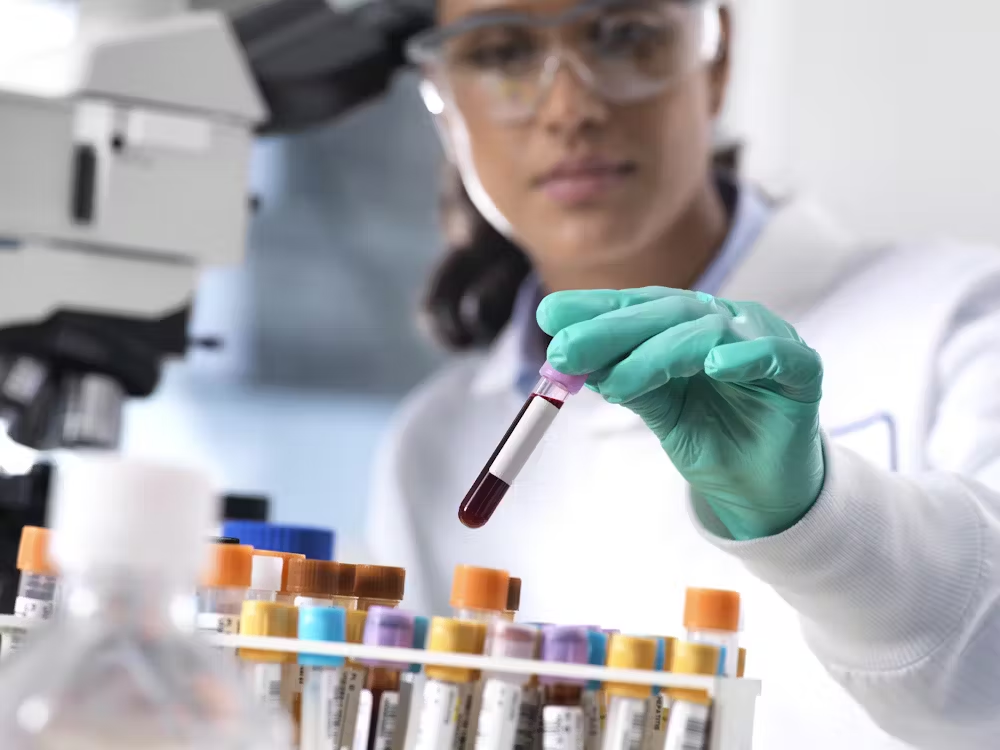
Blood tests are among the most commonly used diagnostic tools. They provide valuable information about overall health, organ function, and potential infections. Some common types include:
Liver and Kidney Function Tests: Determine how well these organs are functioning and detect conditions like liver disease or kidney failure.
Complete Blood Count (CBC): Assesses overall health by measuring red and white blood cells, hemoglobin levels, and platelets. It can detect anemia, infections, and blood disorders.
Lipid Panel: Measures cholesterol and triglyceride levels, helping assess cardiovascular health and the risk of heart disease.
Blood Glucose Test: Evaluates blood sugar levels and is crucial for diagnosing and managing diabetes.
Imaging Tests
Imaging tests provide a visual representation of the body’s internal structures, aiding in diagnosis and treatment planning. Common imaging tests include:
- X-rays: Used to detect bone fractures, lung infections, and tumors.
- MRI (Magnetic Resonance Imaging): Provides detailed images of soft tissues, making it useful for detecting brain abnormalities, spinal issues, and joint injuries.
- CT (Computed Tomography) Scan: Produces cross-sectional images of the body, often used to detect internal injuries, tumors, or blood clots.
- Ultrasound: Utilizes sound waves to examine organs and tissues, commonly used in pregnancy monitoring and detecting abnormalities in the heart, liver, or kidneys.
Genetic Testing
Genetic testing analyzes DNA to detect inherited conditions, mutations, and predispositions to certain diseases. It is useful for:
Providing insight into potential medication responses through pharmacogenomic testing.
Identifying genetic disorders like cystic fibrosis or sickle cell anemia.
Assessing cancer risks by detecting mutations in genes like BRCA1 and BRCA2.
Biopsy
A biopsy involves the removal of a small tissue sample for laboratory analysis.
It is primarily used to diagnose cancer but can also detect infections or autoimmune conditions. Common types include:
- Needle Biopsy: Extracts tissue using a thin needle, often for breast or prostate evaluations.
- Surgical Biopsy: Involves a minor surgical procedure to remove a sample from organs like the lungs, liver, or lymph nodes.
- Skin Biopsy: Helps diagnose skin conditions such as melanoma, psoriasis, or eczema.
Urine and Stool Tests
Urine and stool tests help detect infections, kidney disorders, and digestive issues. Examples include:
Stool Test: Detects gastrointestinal infections, parasites, or signs of colorectal cancer.
Urinalysis: Assesses kidney function, urinary tract infections, and metabolic conditions like diabetes.

Medical testing is essential for diagnosing and managing health conditions. From blood tests to imaging scans and biopsies, each test provides critical insights into a patient’s health. By understanding these tests, individuals can make informed decisions about their healthcare and seek timely medical intervention when needed.