

Medical research centers play a crucial role in advancing public health by conducting scientific studies that lead to medical breakthroughs, improving disease prevention strategies, and shaping healthcare policies. These centers focus on understanding the causes of diseases, developing new treatments, and enhancing the overall well-being of populations. Their contributions extend beyond laboratory discoveries, impacting healthcare systems, medical education, and community health initiatives worldwide.
Advancing Medical Knowledge and Innovation
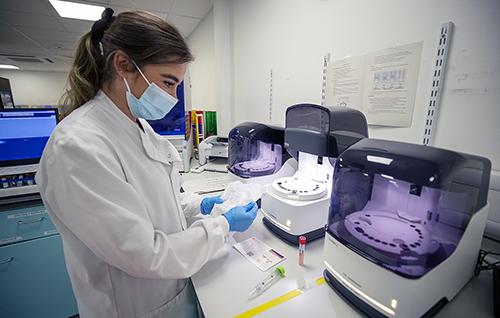
One of the primary roles of medical research centers is to expand scientific knowledge in medicine. By studying the pathology of diseases, genetics, and environmental health factors, researchers uncover critical insights that lead to innovative treatments and therapies. Breakthroughs in cancer treatment, vaccine development, and personalized medicine often originate from dedicated research institutions. For example, the rapid development of COVID-19 vaccines was largely driven by research conducted in medical centers worldwide, showcasing their significance in responding to global health emergencies.

Disease Prevention and Control
Medical research centers contribute significantly to the prevention and control of diseases. By identifying risk factors and studying disease transmission, these centers develop guidelines and interventions to curb outbreaks. Public health campaigns for smoking cessation, obesity management, and infectious disease control have been shaped by research findings. Additionally, research institutions collaborate with public health agencies to track and analyze epidemiological data, enabling the early detection of emerging health threats.
Shaping Healthcare Policies
Medical research centers play an essential role in shaping healthcare policies through evidence-based findings.
Policymakers rely on research data to make informed decisions about healthcare funding, resource allocation, and regulatory standards. Research studies assessing the effectiveness of medical treatments, healthcare accessibility, and disparities in healthcare delivery influence legislation aimed at improving public health outcomes.
Training and Education of Healthcare Professionals
Beyond research, medical centers serve as training hubs for future healthcare professionals. They provide medical students, physicians, and public health specialists with access to cutting-edge knowledge and hands-on experience in patient care and clinical research. By fostering a culture of continuous learning and professional development, research institutions enhance the overall quality of healthcare services.

Community Engagement and Global Health Initiatives
Medical research centers also engage with communities to promote public health awareness and education. Through outreach programs, health screenings, and vaccination drives, they address pressing health concerns at local and global levels. Many institutions collaborate with international organizations such as the World Health Organization (WHO) to tackle global health crises, including HIV/AIDS, malaria, and tuberculosis.
Medical research centers are vital to the advancement of public health, serving as pillars of medical innovation, disease prevention, policy formulation, education, and community engagement. Their contributions have led to life-saving treatments, improved healthcare standards, and stronger public health systems. Continued investment in medical research is essential to addressing current and future health challenges, ensuring healthier populations worldwide.