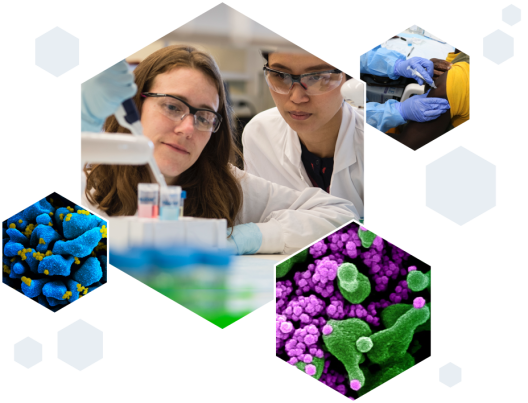

Early detection through medical testing is a crucial component of modern healthcare. It allows for the identification of diseases at their initial stages, increasing the chances of successful treatment and improving overall patient outcomes. Regular screenings and diagnostic tests play a pivotal role in preventing complications and reducing mortality rates associated with various medical conditions.
Benefits of Early Detection
Early detection offers several key benefits, including:
Better Quality of Life: Managing a disease from an early stage reduces complications and enhances overall well-being.
Improved Treatment Outcomes: Detecting a disease in its early stages often leads to more effective treatment options and better prognosis.
Lower Treatment Costs: Early intervention can prevent the need for expensive, extensive treatments that are required in later stages of a disease.
Increased Survival Rates: For diseases like cancer, early detection significantly improves survival rates by allowing timely medical intervention.


Common Tests for Early Detection
Various tests are designed to detect diseases before symptoms become severe. Some of the most common early detection tests include:
Imaging Tests (MRI, CT Scans, and X-rays): Detect tumors, fractures, and other abnormalities that may not yet cause symptoms.
Blood Tests: Used to identify conditions like diabetes, high cholesterol, and infections.
Mammograms: Essential for early breast cancer detection.
Colonoscopies: Help detect colorectal cancer in its initial stages.
Pap Smears and HPV Testing: Screen for cervical cancer and other abnormalities.
Genetic Testing: Identifies predispositions to inherited diseases such as cancer and heart disease.
The Role of Preventive Healthcare
Preventive healthcare emphasizes regular testing and screenings to identify health risks before they develop into serious conditions.
Doctors recommend routine check-ups based on age, family history, and lifestyle factors. Governments and health organizations promote awareness campaigns to educate people on the importance of early testing.
Challenges to Early Detection
Despite its advantages, several challenges hinder early detection, including:
Cost Concerns: High costs of medical tests can be a barrier for those without adequate health insurance.
Limited Access to Healthcare: In many regions, access to routine screenings and diagnostic tests is restricted due to economic or geographical factors.
Lack of Awareness: Some individuals do not undergo screenings due to a lack of information about their benefits.
Fear and Anxiety: Fear of a diagnosis may discourage people from getting tested.

Early detection through medical testing is a powerful tool in the fight against various diseases. By identifying conditions at an early stage, patients have a greater chance of receiving effective treatment, reducing healthcare costs, and leading healthier lives. Increasing public awareness, improving access to testing, and overcoming barriers to early detection should be priorities in healthcare systems worldwide.